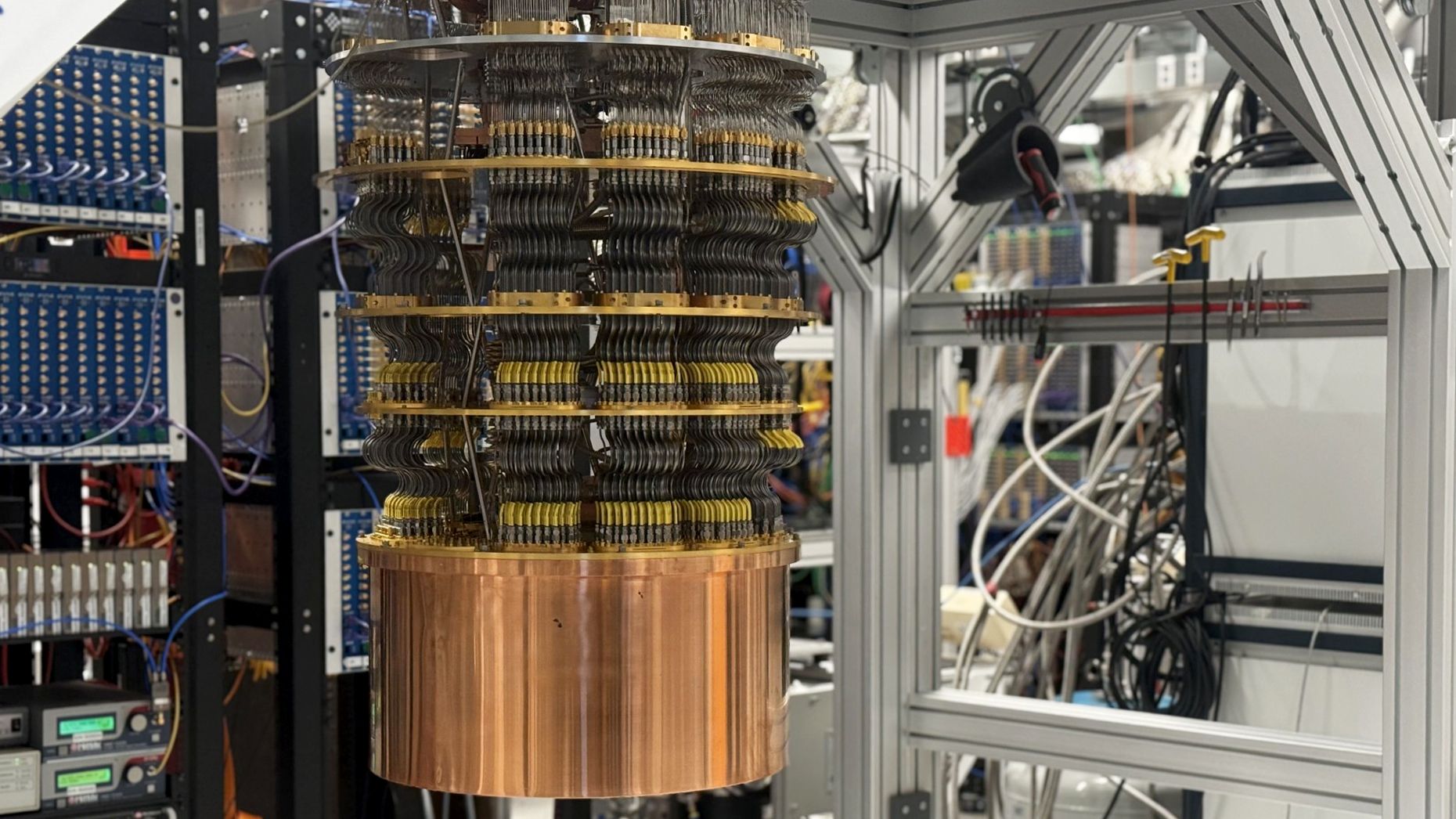
Quantum computing is moving beyond the laboratory concept stage and beginning to emerge as one of the most promising fields in modern technology. Rooted in the principles of quantum physics, this innovation aims to create computers capable of solving extremely complex problems that lie beyond the capabilities of traditional machines.
While conventional computers use bits to represent information as either zero or one, quantum computers operate using qubits—units capable of representing multiple states simultaneously. This characteristic enables calculations to be performed in a fundamentally different way, opening up possibilities for breakthroughs across various sectors.
One sector poised to benefit significantly from quantum computing is drug development. With superior processing power, these systems will be able to analyze molecules and simulate chemical reactions with greater precision, thereby accelerating scientific research and fostering new medical solutions.
The industrial sector is also closely monitoring this evolution. Companies could leverage quantum computers to optimize production chains, develop more durable materials, and solve complex logistical challenges. Processes that currently take years to calculate could be significantly expedited through this technology.
The expansion of the digital landscape has spawned a wide array of connected platforms and services. Beyond solutions focused on innovation, communication, and entertainment, there are specialized environments—such as 20Bet that form part of the online ecosystem driven by technological advancement.
Digital security is another area ripe for transformation. Quantum computing’s ability to analyze vast amounts of data could pose new challenges for current encryption systems. Simultaneously, researchers are working to develop protective methods capable of keeping pace with this new technological reality.
Despite its immense potential, quantum computing still faces significant hurdles. Constructing stable qubits, managing errors, and maintaining the need for highly precise operating environments are among the challenges that must be overcome. Unlike traditional computers, these machines require highly advanced infrastructure to function correctly. In the coming years, quantum computing is expected to continue evolving through investments from companies, universities, and research centers. Although it will not replace conventional computers, this technology could serve as a powerful complementary tool for solving problems that require extraordinary processing capabilities.
The advent of the quantum era represents one of the most significant shifts in the history of computing. By harnessing the unique characteristics of quantum physics, this technology promises to expand the boundaries of human knowledge and create new possibilities in science, industry, and innovation. The future of computing may well be defined by machines capable of performing calculations that currently seem impossible.