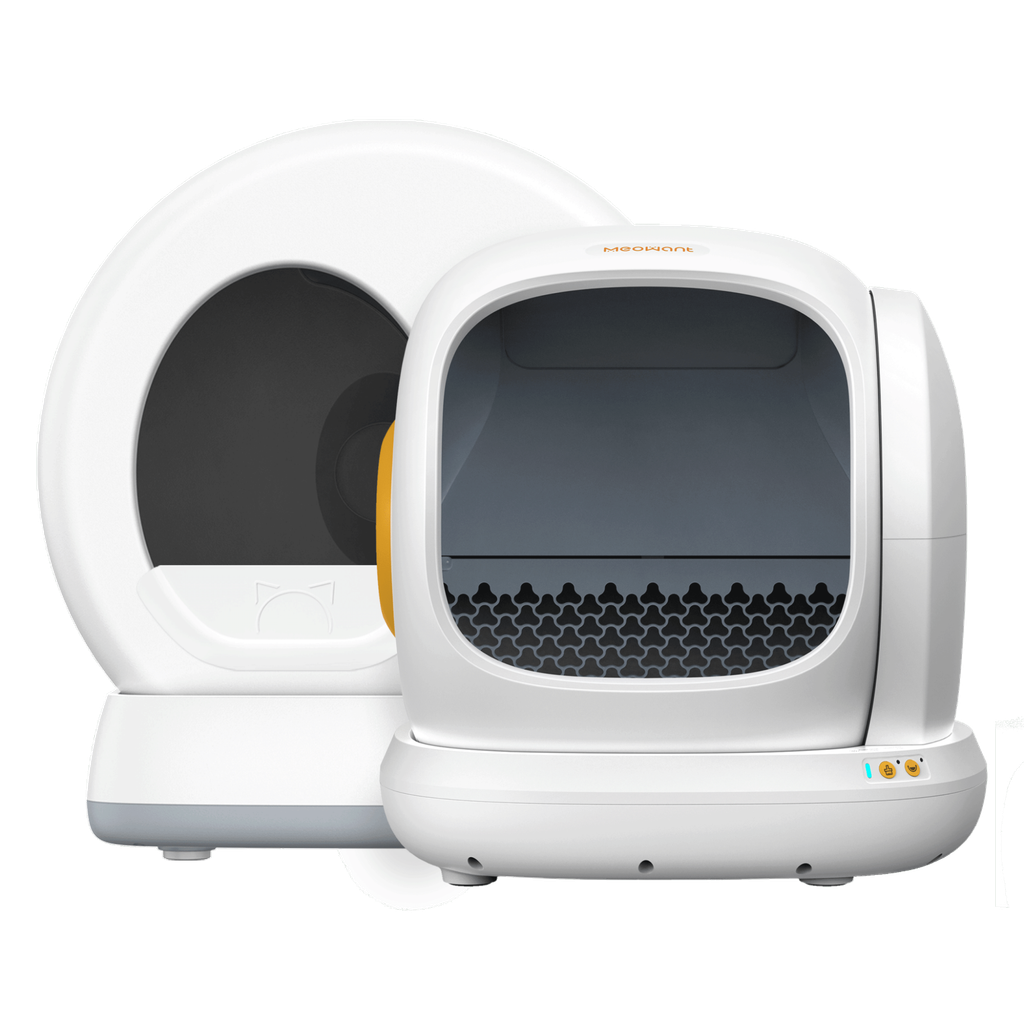
Most cat owners can describe their litter routine without thinking: scoop in the morning, scoop again before bed, bag the waste, wipe the rim, repeat. The work itself is not hard, but it never ends, and it quietly sets the tempo of the day. A self cleaning litter box interrupts that tempo. Instead of waiting for you to remember a chore, the machine runs its own cycle after your cat leaves and drops the waste into a sealed compartment. The shift sounds minor until you live with it for a week. Breakfast, work calls, and evening wind-downs stop orbiting around a scoop. The paragraphs below walk through how the routine really changes, where the recovered time goes, and which small habits keep the unit dependable for years rather than months.
The Chore You Stop Thinking About
The most obvious difference is cognitive rather than physical. Scooping takes a couple of minutes, but remembering to scoop occupies a surprising amount of attention. You notice the box getting full while you are carrying groceries, or right as you are about to leave the house. A self cleaning litter box removes that low-grade background task. When your cat exits, a weight sensor or motion sensor starts a cycle, the rake or drum turns, and clumps are separated from clean litter within a minute or two.
What you get back is a cleaner box between your own check-ins. Cats are fastidious animals, and many of them will hold waste or choose a corner of the rug when the litter is soiled. An automated cycle keeps the surface fresh several times a day, which often shows up as fewer accidents and less hesitation at the entrance.
What Happens During a Cleaning Cycle
A typical cycle has three stages: detect, separate, and seal. Detection usually relies on weight or infrared sensing, so the mechanism stays still while your cat is nearby. Separation sifts clumps into a closed drawer or bag, and sealing keeps odor contained until you empty it. The whole sequence takes a minute or two and ends without any input from you, which is why owners describe the routine as “background” rather than “daily.”
Where the Saved Minutes Actually Go
Owners often expect the payoff to be time, and it is, but not in the way they imagine. The two or three minutes of scooping do not become a long block of free time; they dissolve into the cracks of the day. What changes is the friction around leaving and coming home. You can accept a last-minute dinner invitation without calculating who will clean the box first. You can sleep in without a soiled box greeting you at seven.
There is also a quieter benefit: fewer supply runs. Because waste goes into a sealed compartment, you empty the drawer or bag on a schedule rather than hunting for clumps, and the litter you pour in lasts longer since clean litter is separated and returned instead of being scooped away with the clumps.
Households with more than one cat notice the difference most sharply. With two or three cats, a manual box can go from clean to avoided in a single afternoon, and whoever gets home last inherits the worst of it. An automated unit keeps pace with the traffic, so the state of the box no longer depends on who happened to be home at the right moment.
Building a Routine Around the Machine
Automation does not mean abdication. The owners who are happiest with their units tend to keep a short, fixed checklist and never think about it otherwise. A morning glance inside the drum confirms nothing is stuck and the litter line is correct. An evening check of the waste drawer tells you whether it needs emptying before tomorrow. Once a week, a deeper pass with a damp cloth keeps residue from building up in corners the rake cannot reach.
It also helps to match the machine to the household rather than the other way around. A quiet model matters in a one-bedroom apartment, while a larger drum matters in a home with two or three cats. Brands such as Meowant design their automated units around exactly these everyday constraints, which is why the checklist above is usually enough to keep one running smoothly.
Morning and Evening Check-Ins
Think of the machine as a coworker rather than a replacement. In the morning you confirm the litter level and clear any toy your cat has dropped inside. In the evening you empty the drawer and wipe the entrance lip, which is where tracked litter collects. Two minutes, twice a day, and the heavy lifting is handled by the cycle itself.
Travel and Overnight Trips
The routine change is most visible when you leave town. A manual box sets a hard limit on how long you can be away without asking a neighbor to scoop, and that limit shapes weekend plans. An automated unit with a sealed drawer extends that window considerably, so a short trip no longer requires a favor. It is not a substitute for a proper pet sitter on longer absences, but it removes the emergency phone call for a two-night stay.
Maintenance Habits That Keep It Reliable
The single biggest predictor of long-term satisfaction is litter choice. Fine, fast-clumping litter flows through the sifting mechanism cleanly, while coarse or slow-clumping products smear and jam it. Fill to the marked line rather than overfilling, because too much litter increases drag on the rake and can trigger repeated reset cycles.
Beyond litter, pay attention to the drawer seal. A worn gasket is the most common reason owners report odor creeping back after several months. Wiping the seal during the weekly clean and replacing it when it hardens takes minutes and prevents the problem entirely. Finally, keep the unit on a level surface; a slight tilt makes the weight sensor report inconsistent loads and causes missed cycles that look like a malfunction.
Noise is worth a separate word, because it is the complaint owners mention after odor. A sudden grinding sound usually means a clump has wedged against the screen, and clearing it takes less time than the worry it causes. A rhythmic click often comes from a loose drawer or a cord resting against the frame. Both are placement issues rather than mechanical failures, and both disappear once the obstruction is removed and the unit sits squarely on the floor.
When something does go wrong, most issues resolve with a power cycle and a visual check for obstructions. Owners who treat the machine as a simple appliance rather than a delicate gadget tend to get years of service from it, while those who ignore the litter line and never clean the seal usually blame the product for problems the manual already addresses.
Helping a Cautious Cat Settle In
Not every cat walks into a new box on day one, and a cautious cat does not mean a failed purchase. Leave the unit unplugged beside the old box, sprinkle a little used litter inside so the scent is familiar, and only start the cycle once the cat has used it a few times. Placing the unit where the old box stood, rather than in a new corner, removes one variable from the change.
What the First Week Tells You
The first week is a useful diagnostic. If your cat uses the box without hesitation by day three and the drawer fills at a predictable rate, the unit fits your household and you can settle into the maintenance rhythm described above. If the cat avoids the entrance or the drawer fills faster than expected, the first week is also the best time to adjust, while the return window is still open and the habits are still flexible.
Pay attention to the small details during that week: whether the cycle startles the cat, whether a toy keeps ending up inside, whether the litter line holds overnight. Each observation points to a specific adjustment, and each adjustment made early saves weeks of minor friction later.
A Routine That Gives Time Back
A self cleaning litter box does not eliminate litter care, and it is not meant to. It removes the repetition, the guessing, and the small guilt of walking past a box you know needs attention. In exchange, it asks for a fixed check-in, the right litter, and a little attention to seals and sensors. For most households, that trade is the whole point: the cat keeps a fresh box all day, and you keep the minutes you used to spend scooping. Once the routine settles, the machine fades into the background where it belongs, and the only reminder it exists is a drawer that needs emptying on a predictable schedule.